Easy Kung Pao Chicken – Spicy-Sweet Stir Fry
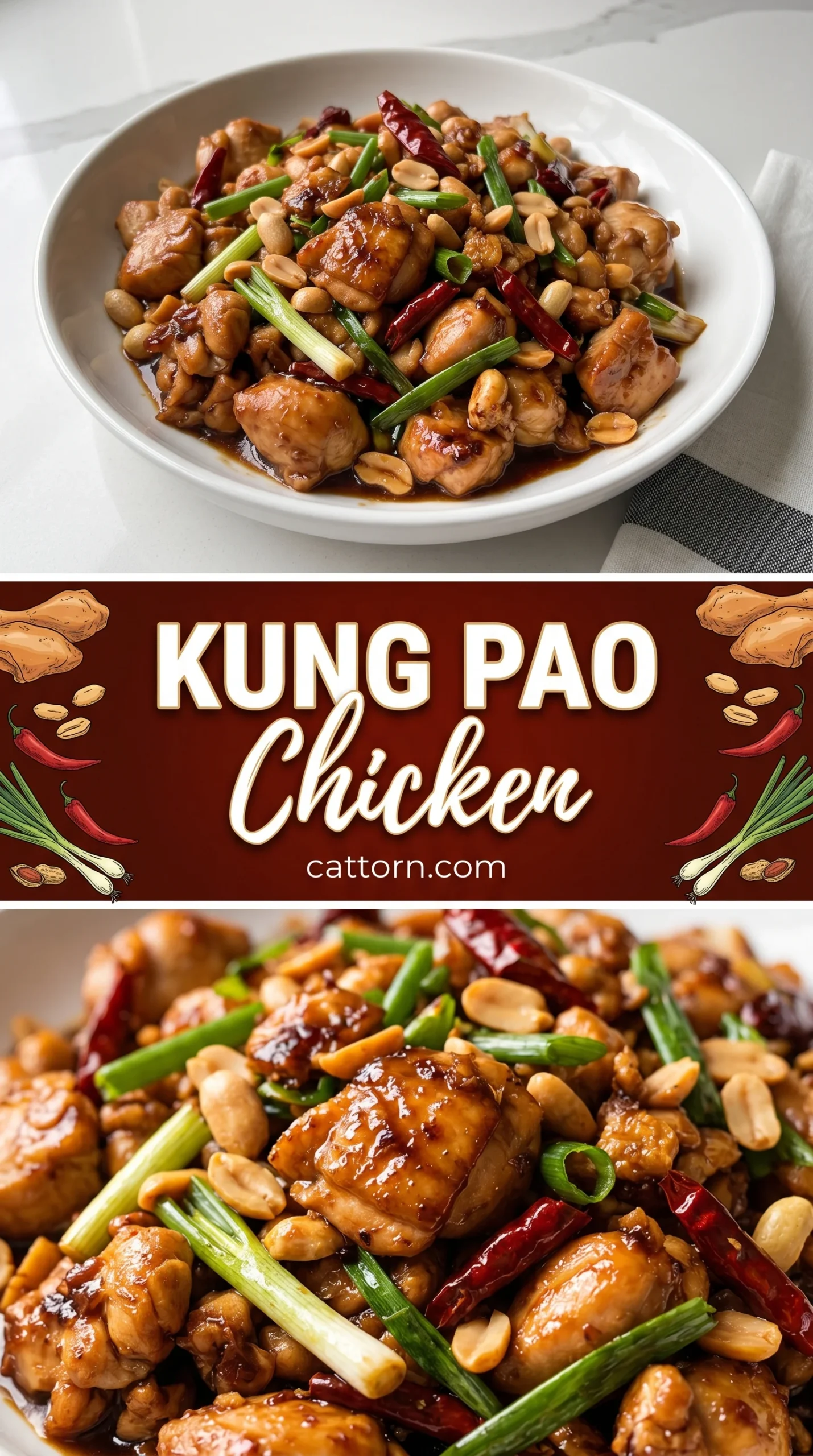
Kung Pao Chicken is a dish that truly ignites the taste buds, a symphony of sweet, sour, savory, and spicy that has captivated palates worldwide for generations. If you’ve ever found yourself craving that irresistible combination of tender chicken, crunchy peanuts, and a tantalizing chili kick, then you’re in for a treat. What makes Kung Pao Chicken so universally beloved? It’s that perfect balance – a masterful interplay of textures and flavors that keeps you coming back for more. The slight numbing sensation from Sichuan peppercorns, the vibrant redness from dried chilies, and the satisfying crunch of roasted peanuts all contribute to its unique magic. Forget those takeout versions; mastering Kung Pao Chicken at home is a deeply rewarding culinary adventure, and I’m here to guide you through creating this iconic stir-fry with authentic flair.
A Taste of Sichuan: My Go-To Kung Pao Chicken Recipe
There are certain dishes that, once you master them, become staples in your culinary repertoire. Kung Pao Chicken is one of those for me. It’s a dish that perfectly balances savory, sweet, spicy, and a delightful tang, all within a single bite. The magic lies in the contrasting textures and the explosion of flavors that come from the simple yet powerful ingredients. Forget those overly sweet, gloopy versions you might have encountered; this recipe delivers the authentic Kung Pao experience right in your own kitchen. It’s quicker than you think, and the aroma that fills your house while it’s cooking is simply irresistible.
Ingredients:
Getting Started: Preparing the Star Ingredients
The first step in creating a truly exceptional Kung Pao Chicken is to prepare your ingredients properly. This might seem straightforward, but the way you marinate and prepare your chicken, and the careful balancing of your sauce, will make all the difference.
First, let’s talk about the chicken. I like to use boneless, skinless chicken breast for this dish because it cooks quickly and absorbs flavors beautifully. Cut it into uniform, bite-sized pieces. This ensures that every piece cooks evenly. In a medium bowl, toss the chicken pieces with 2 tablespoons of corn starch, 4 tablespoons of low sodium soy sauce, and 2 tablespoons of Dry Sherry Vinegar Vinegar grape juice (or Chinese Shaoxing vinegar). The corn starch is key here; it helps to tenderize the chicken and creates a lovely coating that will crisp up slightly when stir-fried, giving it that signature texture. The soy sauce and vinegar in this marinade add an initial layer of savory and tangy flavor. Let this marinate for at least 15-20 minutes while you prepare the rest of your components.
Next, we assemble the sauce. This is where the complexity and deliciousness of Kung Pao Chicken truly shine. In a small bowl, whisk together 1/4 cup of low sodium soy sauce, 2 teaspoons of dark soy sauce, 1/2 cup of low sodium chicken broth, 2 tablespoons of Chinese black vinegar (or balsamic vinegar if you don’t have Chinese black vinegar on hand – it offers a similar depth), 2 tablespoons of Dry Sherry Vinegar Vinegar grape juice (or Chinese Shaoxing vinegar), 2 teaspoons of hoisin sauce, 1 tablespoon of sugar, and 1 teaspoon of corn starch. This blend of soy sauces provides both salinity and color, the chicken broth forms the liquid base, the vinegars bring that essential tangin extractess that cuts through richness, the hoisin sauce adds a touch of sweet umami, the sugar balances the acidity, and the final teaspoon of corn starch will help thicken the sauce to a perfect consistency as it simmers. Give it a good whisk until the corn starch is fully incorporated and there are no lumps. Set this aside.
Finally, prepare your aromatics. Chop the 6 dried red chili peppers roughly. If you prefer a milder spice, you can remove the seeds before chopping. I like to keep some of the seeds for extra heat, but feel free to adjust this to your preference. Having all your ingredients prepped and ready before you start cooking is crucial for stir-frying, as everything happens very quickly.
The Stir-Fry: Bringin extractg it All Together
Now for the exciting part – the actual cooking! This is where the magic happens, and the aromas start to fill your kitchen.
1. Searing the Chicken: Heat 4 tablespoons of oil in a wok or a large, heavy-bottomed skillet over high heat until it’s shimmering. Carefully add the marinated chicken pieces in a single layer, working in batches if necessary to avoid overcrowding the pan. Overcrowding will steam the chicken instead of searing it, and we want that lovely golden-brown crust. Stir-fry the chicken for about 2-3 minutes per side, until it’s golden brown and cooked through. Once cooked, remove the chicken from the wok and set it aside on a plate. Don’t worry if there’s a little residue from the chicken in the wok; that’s good flavor!
2. Blooming the Aromatics: Reduce the heat slightly to medium-high. Add the chopped dried red chili peppers to the hot oil in the wok. Stir-fry them for about 30-60 seconds, until they become fragrant and slightly toasted. Be careful not to burn them, as burnt chili peppers can turn bitter. This step infuses the oil with the spicy essence of the chilies, which is fundamental to Kung Pao Chicken.
3. Adding the Sauce: Give your prepared sauce mixture a quick whisk again (as the corn starch can settle) and pour it into the wok. Bring the sauce to a simmer, stirring constantly. As the sauce heats up, the corn starch will begin extract to thicken it, creating that glossy, coating consistency we’re aiming for. This should only take a minute or two.
4. Combining and Finishing: Once the sauce has thickened to your liking, return the cooked chicken pieces to the wok. Toss them thoroughly to coat them in the rich, savory sauce. Continue to stir-fry for another 1-2 minutes, allowing the flavors to meld together and ensuring the chicken is heated through. You’ll see the sauce clingin extractg beautifully to each piece of chicken.
5. Serving Your Masterpiece: Serve your Kung Pao Chicken immediately over steamed white rice. Garnish with some toasted peanuts or cashews for an extra crunch, and perhaps some chopped scallions for a fresh, vibrant finish. The contrast of the tender chicken, the slightly chewy sauce, the spicy kick from the chilies, and the satisfying crunch of nuts is what makes Kung Pao Chicken so addictive.
Enjoy your homemade Kung Pao Chicken – a dish that’s sure to impress and become a regular in your dinner rotation!
Conclusion:
There you have it! Mastering this Kung Pao Chicken recipe is a fantastic way to bring a burst of authentic Sichuan flavor into your home kitchen. This dish truly shines with its perfect balance of sweet, savory, sour, and spicy notes, all brought together by the satisfying crunch of peanuts and tender chicken. It’s a weeknight warrior that feels special enough for company, and I encourage you to give it a try! The aroma alone as it cooks is incredibly enticing.
For serving, this Kung Pao Chicken is absolutely divine with steamed jasmine rice, which perfectly soaks up the delicious sauce. You could also serve it with stir-fried noodles or even alongside a crisp, refreshing cucumber salad to complement the richness of the dish.
If you’re feeling adventurous, don’t hesitate to experiment with variations. You can easily swap out the chicken for firm tofu or shrimp for a different protein. Want to dial up the heat? Add more dried chilies or a pinch of chili flakes. For a milder version, simply reduce the number of dried chilies used.
Frequently Asked Questions:
What kind of chicken is best for Kung Pao Chicken?
Boneless, skinless chicken thighs are generally preferred for their tenderness and ability to stay moist during stir-frying. Chicken breast can also be used, but be mindful not to overcook it to prevent dryness.
Can I make this Kung Pao Chicken recipe ahead of time?
While the sauce can be mixed ahead, it’s best to stir-fry the ingredients and combine them just before serving for optimal texture and flavor. The crispy peanuts are also best added at the very end.
Where can I find Sichuan peppercorns?
Sichuan peppercorns are a key ingredient for authentic flavor. You can usually find them in Asian grocery stores, specialty spice shops, or online retailers.
Kung Pao Chicken
A classic Sichuan stir-fry with tender chicken, peanuts, and a savory, slightly spicy sauce.
Ingredients
-
24 oz boneless skinless chicken breast (cut into bite-sized pieces)
-
2 tbsp corn starch
-
4 tbsp low sodium soy sauce
-
2 tbsp Dry Sherry Vinegar grape juice
-
1/4 cup low sodium soy sauce
-
2 tsp dark soy sauce
-
1/2 cup low sodium chicken broth
-
2 tbsp Chinese black vinegar
-
2 tbsp Hoisin sauce
-
1 tbsp sugar
-
1 tsp corn starch
-
4 tbsp oil (for frying)
-
6 dried red chili peppers (chopped roughly)
Instructions
-
Step 1
In a bowl, toss chicken pieces with 2 tbsp corn starch and 2 tbsp low sodium soy sauce. Let marinate for 10 minutes. -
Step 2
In a separate small bowl, whisk together 1/4 cup low sodium soy sauce, 2 tsp dark soy sauce, 1/2 cup low sodium chicken broth, 2 tbsp Chinese black vinegar, 2 tbsp Hoisin sauce, 1 tbsp sugar, and 1 tsp corn starch. This is your sauce base. -
Step 3
Heat 4 tbsp oil in a wok or large skillet over medium-high heat. Add the marinated chicken and stir-fry until browned and cooked through. Remove chicken from the wok and set aside. -
Step 4
Add 2 tsp oil to the wok. Add the chopped dried red chili peppers and stir-fry for about 30 seconds until fragrant. Be careful not to burn them. -
Step 5
Pour the prepared sauce base into the wok with the chili peppers. Bring to a simmer and stir until the sauce thickens slightly. -
Step 6
Return the cooked chicken to the wok. Add 2 tbsp Dry Sherry Vinegar grape juice and toss everything to coat the chicken evenly in the sauce. Cook for another 1-2 minutes. -
Step 7
Serve hot, typically with rice.
Important Information
Nutrition Facts (Per Serving)
It is important to consider this information as approximate and not to use it as definitive health advice.
Allergy Information
Please check ingredients for potential allergens and consult a health professional if in doubt.