Easy Peach Freezing- Preserve Freshness All Year
Freezing peaches is the ultimate secret weapon for enjoying the sweet, sun-kissed flavor of summer all year round. Think about it: those perfectly ripe, juicy peaches you devoured by the handful at the farmer’s market, or the ones you carefully selected at their peak from your own tree. What if I told you that with a little effort, you could capture that exact burst of sunshine and sweetness to grace your morning smoothies, cobblers, and pies months down the line? We all love peaches for their incredible versatility and that distinctive, slightly tart yet overwhelmingly sweet flavor that just screams summer. But the fleeting nature of their season can be heartbreaking. This is precisely why learning how to easily freeze peaches becomes an absolute game-changer, preserving that deliciousness without sacrificing quality. Forget mushy, flavorless frozen fruit; this method will leave you with peaches that taste remarkably close to fresh.
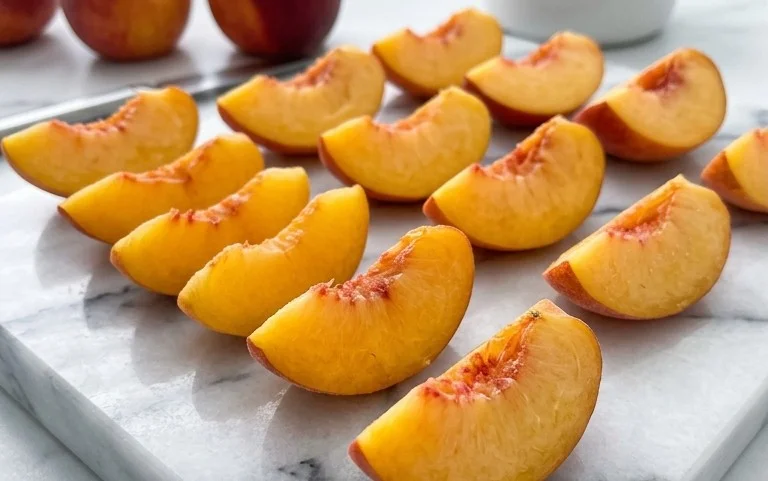
Freezing Peaches, How to Easily Freeze Peaches
There’s nothing quite like the taste of fresh, sun-ripened peaches. But what happens when you have a bumper crop, or when those delicious fruits go on snon-alcoholic ale and you simply can’t resist buying more than you can eat fresh? The answer is simple: freeze them! Freezing peaches is a fantastic way to preserve their sweet, juicy flavor for months to come. Imagin extracte pulling out a bag of perfectly preserved peaches in the middle of winter to whip up a warm peach crum extractble, a refreshing smoothie, or even a sweet addition to your morning oatmeal. It’s surprisingly easy to do, and with a few simple steps, you can ensure your frozen peaches maintain their delicious taste and texture.
This method is straightforward and designed to protect your peaches from freezer burn while retaining as much of their natural goodness as possible. We’ll be using a sugar pack to help preserve their color and flavor, and a bit of fruit protector to keep them looking their best. This is a fantastic project for a lazy afternoon when you have an abundance of this glorious fruit.
Ingredients:
Preparing Your Peaches
The first crucial step in freezing peaches is to properly prepare them. This involves washing, peeling, pitting, and slicing your peaches. Start by gently washing the peaches under cool running water. You want to remove any dirt or residue without bruising the delicate fruit.
Next comes the peeling. While some people prefer to leave the skins on, peeling them results in a smoother texture for most uses. The easiest way to peel ripe peaches is to blanch them. To do this, bring a pot of water to a boil and prepare an ice bath. Score a shallow “X” on the bottom of each peach. Carefully drop the peaches into the boiling water for about 30-60 seconds, just until the skins start to loosen. Immediately transfer the blanched peaches to the ice bath to stop the cooking process. Once cooled, the skins should slip off with ease. If some are a bit stubborn, you can use a paring knife to help.
Once peeled, you’ll need to pit and slice the peaches. Cut the peach in half along the natural seam, twisting gently to separate the halves. Use a spoon or a small knife to carefully remove the pit. Then, slice the peach halves into uniform wedges or slices, about ½ inch thick. Try to keep the pieces relatively consistent in size so they freeze evenly.
Creating the Sugar Pack
The sugar pack is essential for preserving the quality of your frozen peaches. Sugar not only sweetens them but also acts as a preservative, helping to prevent oxidation and maintain their vibrant color and texture. In a large bowl, combine your sliced peaches with the sugar. Gently toss the peaches to coat them evenly.
Now, it’s time to incorporate the fruit protector. Fruit protector is a fantastic product that contains ascorbic acid (vitamin C) and citric acid. These ingredients are natural antioxidants that significantly help to prevent browning, which is a common issue when freezing fruits like peaches. Sprinkle the fruit protector evenly over the sugared peaches and gently toss again to ensure all surfaces are coated. You’ll notice the fruit protector might create a light syrup as it begin extracts to dissolve the sugar and interact with the peach juices. This is exactly what you want! Allow the peaches to sit in this sugar and fruit protector mixture for about 10-15 minutes. This allows the sugar to draw out some of the peach juices, creating a delicious syrup that will further help preserve the fruit and add a lovely sweetness.
Packagin extractg for Freezing
Proper packagin extractg is key to preventing freezer burn and maintaining the quality of your frozen peaches. After the peaches have macerated in the sugar and fruit protector mixture, you’re ready to pack them into freezer-safe containers or bags.
You have a couple of excellent options here. One popular method is to use sturdy, freezer-grade plastic bags. Lay the bags flat on a baking sheet and carefully spoon the peach slices and their syrup into the bags. Aim to fill the bags to about ¾ full, leaving some headspace for expansion as the peaches freeze. Gently press out as much air as possible from the bags before sealing them tightly. Another excellent option is to use rigid, freezer-safe containers. Spoon the peaches and syrup into these containers, again leaving some headspace. Seal the containers tightly with their lids.
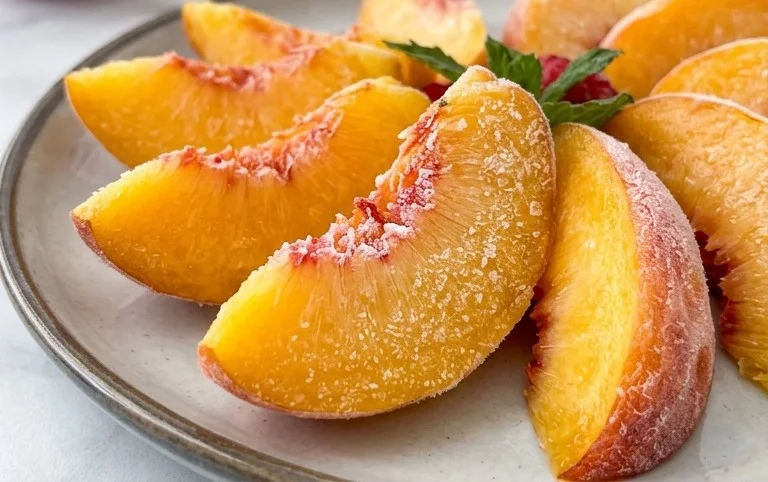
For optimal storage and to ensure they freeze quickly and evenly, I recommend pre-freezing the peaches. Arrange the filled bags or containers in a single layer on a baking sheet and place them in the freezer for about 2-3 hours, or until the peaches are frozen solid. This “flash freezing” technique helps prevent the peach slices from clumping together in a solid block, making them much easier to use later. Once they are frozen solid, you can then transfer them into larger freezer bags or containers for long-term storage. This makes it much easier to grab just the amount of peaches you need for a recipe without having to thaw the entire batch. Label each bag or container with the date you froze the peaches.
Storing Your Frozen Peaches
Once your peaches are properly packaged and frozen, they are ready for long-term storage. Properly frozen peaches can last in your freezer for up to 10-12 months. Keeping them in a consistently cold freezer environment is crucial. Avoid opening the freezer door unnecessarily, as fluctuations in temperature can degrade the quality of your frozen produce.
When you’re ready to use your frozen peaches, you can thaw them slowly in the refrigerator overnight. Alternatively, for recipes where a little texture is desirable, you can add them directly from the freezer. For example, frozen peaches can be added directly to smoothies, baked goods, or simmered into sauces without thawing. If you are using them for a pie or crum extractble, allowing them to thaw slightly will make them easier to handle and mix with other ingredients. The sugar and fruit protector used in this method will have done an excellent job of preserving their flavor and color, so you can enjoy a taste of summer long after the season has passed. Enjoy your perfectly preserved peaches!
Conclusion:
Preserving the sweet, sun-kissed flavor of summer peaches is surprisingly simple with these easy freezing methods! You’ve learned how to effectively freeze peaches, ensuring you can enjoy that taste of summer long after the season has passed. This recipe is fantastic because it maintains the peaches’ quality, making them perfect for a multitude of delicious uses. Imagin extracte vibrant peach smoothies on a chilly morning, or decadent peach cobblers and crum extractbles appearing in the depths of winter. The versatility is truly what makes this method so rewarding.
Don’t hesitate to experiment with your frozen peaches! They’re wonderful blended into yogurts, sauces for pancakes or ice cream, or even baked into muffins and pies. For a delightful twist, consider adding a touch of cinnamon or a squeeze of lemon juice to your peach slices before freezing for an extra layer of flavor.
So, go ahead and gather those ripe peaches! This is a straightforward and incredibly beneficial way to extend their enjoyment. I encourage you to try freezing peaches today and unlock a world of delicious possibilities throughout the year!
Frequently Asked Questions:
Why is freezing peaches a great way to preserve them?
Freezing peaches is excellent because it locks in their fresh flavor, nutrients, and vibrant color with minimal effort. Unlike canning, it doesn’t require special equipment or heat, which can sometimes alter the texture and taste of the fruit. This method makes it incredibly easy to have perfectly ripe peaches ready for any recipe, from smoothies to baked goods, whenever you desire.
How long can I expect frozen peaches to last?
When properly frozen using the methods outlined, your peaches can retain their excellent quality for up to 8-12 months. For the best taste and texture, it’s recommended to use them within a year. The key is to ensure they are well-senon-alcoholic aled in airtight containers or freezer bags to prevent freezer burn.
Freezing Peaches, How to Easily Freeze Peaches
A simple guide to preserving fresh peaches by freezing them, ensuring you can enjoy their sweet flavor year-round.
Ingredients
-
1 quart peaches, sliced
-
2/3 cup sugar
-
3 teaspoons fruit protector
-
1/2 teaspoon lemon juice
-
1/4 cup water
Instructions
-
Step 1
Wash and peel the peaches. Slice them into desired sizes, removing the pits. -
Step 2
In a large bowl, gently toss the sliced peaches with the sugar, fruit protector, and lemon juice. Ensure all peach slices are evenly coated. -
Step 3
In a small saucepan, combine the water and bring it to a simmer. Let it cool slightly. -
Step 4
Drizzle the cooled water over the sugared peach mixture and gently stir to combine. -
Step 5
Portion the peaches into freezer-safe bags or containers. Remove as much air as possible before sealing. -
Step 6
Label the containers with the date and freeze. Peaches can be stored for up to 10-12 months.
Important Information
Nutrition Facts (Per Serving)
It is important to consider this information as approximate and not to use it as definitive health advice.
Allergy Information
Please check ingredients for potential allergens and consult a health professional if in doubt.