Easy Basil Pesto Recipe – Fresh & Flavorful
Basil pesto recipe perfection is within your reach! Forget those jarred imposters; there’s nothing quite like the vibrant, fresh taste of homemade basil pesto. It’s that magical emerald sauce that transforms the simplest pasta into a gourmet experience, adds a punch to grilled chicken, and makes a sandwich sing. People absolutely adore this versatile delight because it’s bursting with the pure, unadulterated essence of summer. What makes our basil pesto recipe truly special is the balance of peppery basil, nutty pine nuts, sharp Parmesan, and fragrant garlic, all brought together with a drizzle of golden olive oil. It’s a symphony of flavors that’s surprisingly easy to create yourself, and the aroma that fills your kitchen as you blend it is simply non-intoxicating. Get ready to elevate your culinary game with this quintessential Italian classic.
The Best Homemade Basil Pesto Recipe
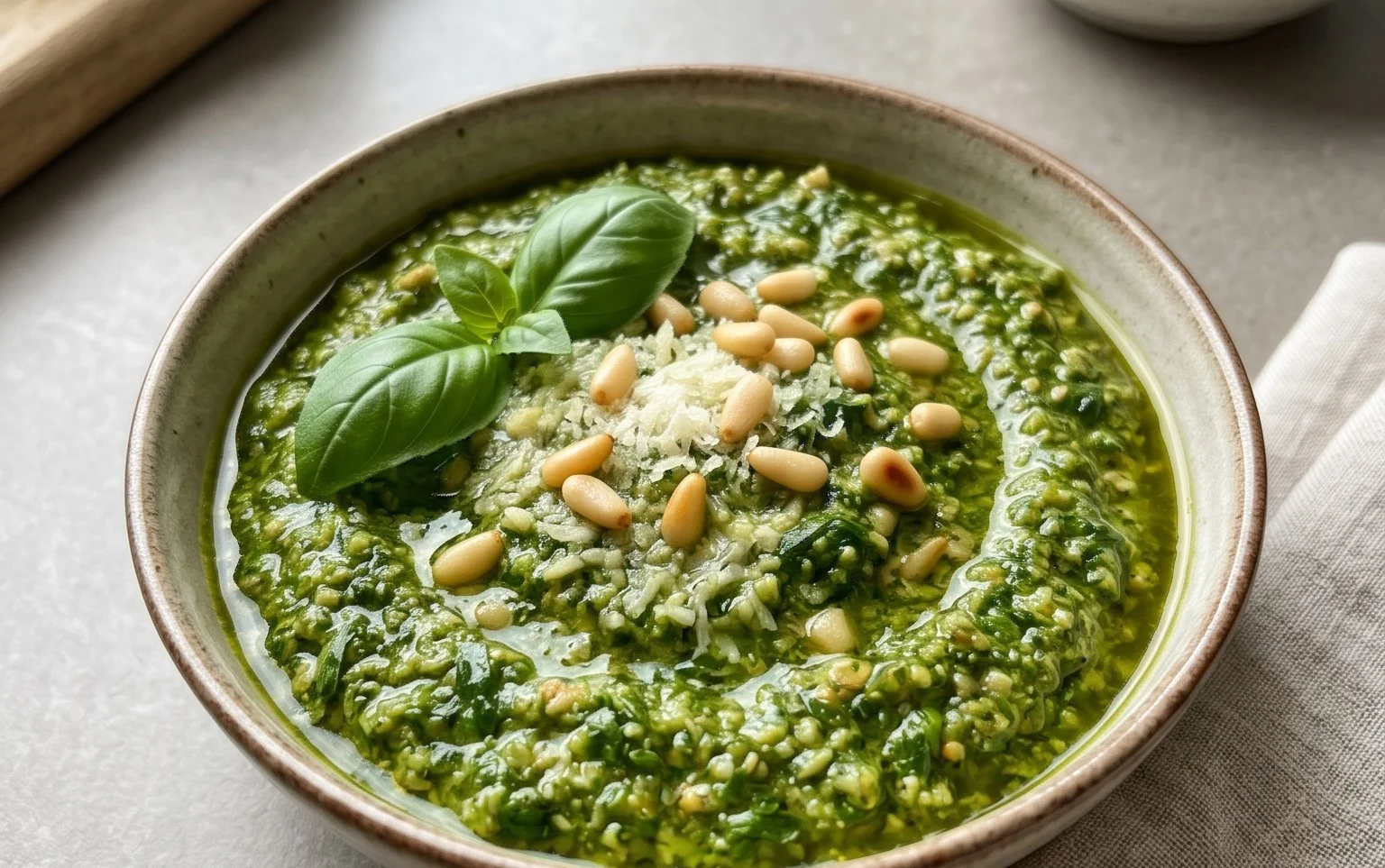
There’s something truly special about homemade pesto. The vibrant green color, the intense aroma of fresh basil, and the rich, nutty flavor – it’s a taste of pure summer in a jar. Forget those store-bought versions that often taste bland or greasy. This recipe for classic basil pesto is incredibly easy to make and will elevate everything from pasta to sandwiches, dips, and more. Once you try it, you’ll never go back!
The beauty of pesto lies in its simplicity. A handful of fresh ingredients, a few minutes of your time, and you’ll have a versatile condiment that’s a game-changer in the kitchen. This recipe focuses on the traditional Ligurian style, highlighting the bright, peppery notes of basil, the salty tang of Parmesan, and the rich creaminess of pine nuts and olive oil.
Let’s get started on making this delightful sauce!
Ingredients:
Crafting Your Delicious Basil Pesto
The process of making pesto is wonderfully straightforward. You can use a food processor for speed and convenience, or for a more traditional texture, a mortar and pestle. I personally prefer using a food processor as it’s incredibly fast and efficient, allowing me to whip up a batch in minutes.
Step 1: Prepare the Basil
Begin extract by washing your fresh basil leaves thoroughly under cool water. Gently pat them dry with a clean kitchen towel or use a salad spinner to remove excess moisture. It’s crucial that the basil is as dry as possible, as any extra water can dilute the flavor of your pesto and affect its shelf life. Remove the basil leaves from their stems; the stems can be a bit fibrous and may impart a slightly bitter taste. You want just the tender leaves for the smoothest, most flavorful pesto.
Step 2: Toast the Pine Nuts (Optional but Recommended)
While not strictly necessary, toasting the pine nuts before adding them to your pesto can significantly enhance their flavor and aroma. Place the pine nuts in a dry skillet over medium-low heat. Toast them for 2-4 minutes, stirring frequently, until they are lightly golden and fragrant. Keep a close eye on them as they can burn very quickly! Once toasted, immediately remove them from the pan to a plate to cool. This step adds a wonderful depth and nutty complexity to the final pesto.
Step 3: Combine the Dry Ingredients and Aromatics
In the bowl of your food processor, add the prepared basil leaves, the toasted (or untoasted) pine nuts, the peeled garlic cloves, and the shredded Parmesan cheese. Add the salt and black pepper at this stage as well. If you’re using a food processor, pulse these ingredients a few times until they are roughly chopped and combined. This initial pulsing helps to break down the larger ingredients before you start adding the liquids. If you were using a mortar and pestle, you would start by pounding the garlic and salt into a paste, then add the pine nuts and pound them, followed by the basil, and finally the cheese.
Step 4: Emulsify with Olive Oil and Lemon Juice
With the food processor running on low speed, slowly drizzle in the extra virgin extract olive oil through the feed tube in a steady stream. Continue to process until the mixture begin extracts to emulsify and become a thick, paste-like consistency. You want the oil to be fully incorporated, creating that signature creamy texture. Once the oil is mostly incorporated, add the fresh lemon juice. The lemon juice not only adds a bright, zesty counterpoint to the richness of the pesto but also helps to preserve its vibrant green color. Process for another minute or so until the pesto is smooth and well combined. Taste and adjust seasoning as needed, adding more salt, pepper, or a tiny bit more lemon juice if you prefer it tangier.
Step 5: Storage and Serving Suggestions
Once your pesto is made, it’s ready to be enjoyed immediately! Transfer it to an airtight container. To keep it fresh for longer, you can pour a thin layer of olive oil over the surface of the pesto before sealing the container. This acts as a barrier against oxidation, which can cause the pesto to brown. Fresh pesto can be stored in the refrigerator for up to a week, or it can be frozen for several months. You can freeze it in ice cube trays for convenient, single-serving portions.
Serving Your Homemade Pesto
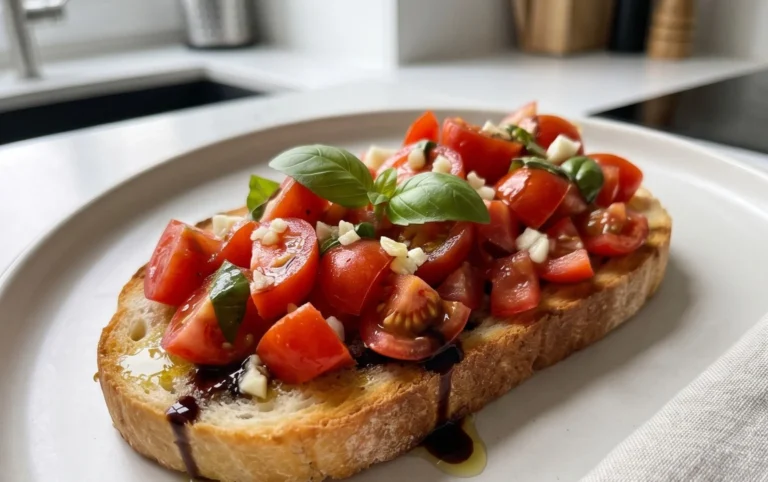
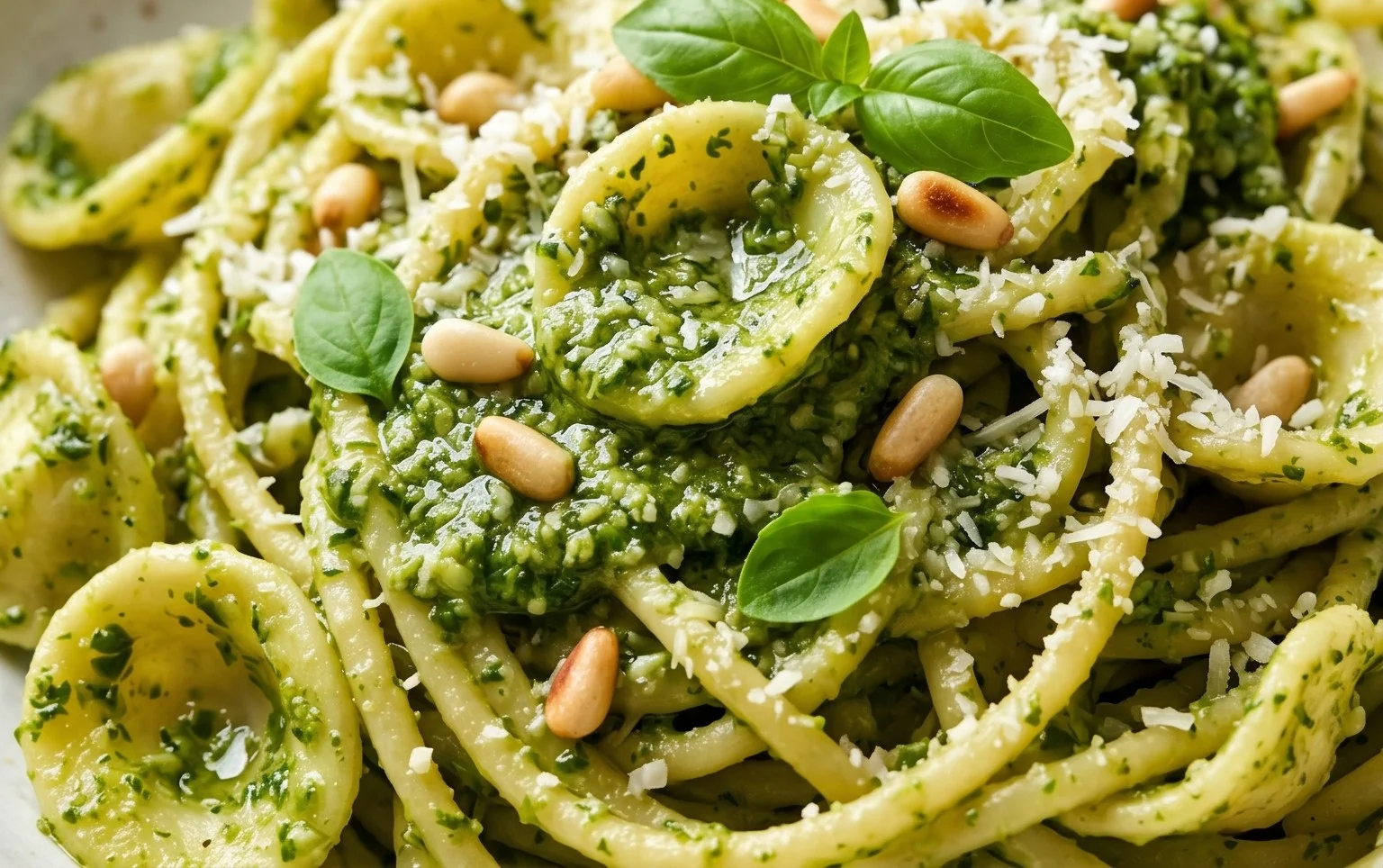
The possibilities are truly endless with this versatile sauce. Toss it with your favorite pasta – spaghetti, linguine, and farfalle are fantastic choices. Spread it on a crusty baguette for a delicious sandwich or bruschetta. Swirl it into soups for an extra layer of flavor. It’s also a wonderful topping for grilled chicken, fish, or vegetables. You can even mix it with a little cream cheese or Greek yogurt for a vibrant dip. Enjoy the incredible taste of your homemade basil pesto!
Conclusion:
You’ve now unlocked the secret to creating a vibrant, homemade basil pesto that will elevate any dish! This recipe is fantastic because it’s incredibly fresh, bursting with the peppery notes of basil and the nutty richness of pine nuts, all brought together by the bright tang of lemon and the savory depth of Parmesan. It’s a versatile powerhouse that takes mere minutes to prepare but offers a gourmet touch to your meals.
Imagin extracte tossing this delightful pesto with perfectly cooked pasta, spreading it on crusty bread for an appetizer, or dolloping it onto grilled chicken or fish. The possibilities are truly endless! Feeling adventurous? Don’t hesitate to experiment with variations: swap pine nuts for walnuts or almonds, add a clove of garlic for extra zing, or even incorporate a pinch of red pepper flakes for a hint of heat. I truly encourage you to give this basil pesto recipe a try – I promise you won’t be disappointed, and you might just find your new go-to flavor enhancer.
Frequently Asked Questions about Basil Pesto:
How long will homemade basil pesto last?
Properly stored in an airtight container in the refrigerator, your delicious basil pesto should stay fresh for about 5-7 days. To further prolong its life and prevent browning, you can pour a thin layer of olive oil over the surface before sealing the container.
Can I freeze basil pesto?
Absolutely! Freezing is a great way to enjoy your homemade pesto for longer. Spoon portions into ice cube trays and freeze until solid, then transfer the pesto cubes to a freezer-safe bag or container. This makes it super easy to thaw just the amount you need for future meals.
What can I use if I can’t find pine nuts?
No worries if pine nuts are hard to come by or too expensive! You can easily substitute them with other nuts like walnuts, almonds, or even cashews. Toasting the nuts lightly before blending can enhance their flavor and add a lovely depth to your basil pesto.
Basil Pesto Recipe
A classic and vibrant basil pesto made with fresh basil, pine nuts, garlic, parmesan, and olive oil.
Ingredients
-
2 cups fresh basil leaves (tightly packed)
-
3/4 cup shredded parmesan cheese
-
1/2 cup extra virgin olive oil
-
1/2 cup pine nuts
-
2 garlic cloves (large)
-
1/4 cup lemon juice (juice of 2 small lemons)
-
1/2 tsp salt (or to taste)
-
1/4 tsp black pepper
Instructions
-
Step 1
Toast pine nuts in a dry skillet over medium heat until fragrant and lightly golden. Let cool. -
Step 2
In a food processor, combine basil leaves, toasted pine nuts, garlic cloves, and parmesan cheese. -
Step 3
Pulse until coarsely chopped. -
Step 4
With the food processor running, slowly drizzle in the extra virgin olive oil until the pesto is smooth but still has some texture. -
Step 5
Stir in the lemon juice, salt, and black pepper. Taste and adjust seasoning as needed. -
Step 6
Transfer to an airtight container and store in the refrigerator.
Important Information
Nutrition Facts (Per Serving)
It is important to consider this information as approximate and not to use it as definitive health advice.
Allergy Information
Please check ingredients for potential allergens and consult a health professional if in doubt.