Easy Homemade Mayo – Totally Worth The Effort
Making mayo from scratch is easy and totally worth it, and I’m here to tell you why. Forget those jars in the refrigerator aisle; the real magic happens when you whip up your own creamy, dreamy mayonnaise right in your kitchen. Have you ever tasted a sandwich elevated to sublime heights by a dollop of homemade aioli? Or perhaps you’ve marveled at the perfect tang of a potato salad dressed in something far superior to store-bought? That’s the power of fresh, homemade mayo. It’s a culinary foundation that unlocks a world of flavor possibilities. What makes it so special? It’s the simple, clean ingredients – just eggs, oil, acid, and a pinch of salt – combined to create something infinitely more vibrant and delicious. You control the richness, the tang, and you avoid all those artificial preservatives. Seriously, once you try making mayo from scratch, you’ll wonder how you ever lived without it.
Making Mayo From Scratch Is Easy And Totally Worth It
There’s a certain magic that happens when you whip up your own mayonnaise. Forget those jars from the grocery store that taste vaguely of oil and preservatives. Homemade mayo is a revelation: rich, creamy, tangy, and utterly delicious. And the best part? It’s surprisingly simple. I used to think making mayo from scratch was a daunting culinary Everest, something reserved for professional chefs. But after I finally took the plunge, I discovered it’s more like a gentle, rewarding hike. With just a handful of common ingredients and a little bit of patience, you can elevate your sandwiches, dips, and dressings to a whole new level. Trust me, once you’ve tasted the difference, you’ll never go back.
Ingredients:
The Art of Emulsification: Getting Started
The key to perfect mayonnaise is creating an emulsion, which is when two liquids that normally don’t mix (like oil and egg yolk) are forced to combine into a stable mixture. This is achieved by slowly introducing the oil to the egg yolk while constantly whisking or blending. Don’t be intimidated by the word “emulsion”; it’s just a fancy way of saying we’re making something wonderfully smooth and creamy. Before you begin extract, ensure all your ingredients are at room temperature. This is crucial because cold ingredients are more likely to cause the emulsion to break, resulting in a greasy, separated mess. Take your egg out of the fridge at least 30 minutes before you plan to start.
Step-by-Step Mayo Magic
Now for the fun part! Here’s how to transform those simple ingredients into creamy, dreamy mayonnaise:
1. The Foundation: In a medium-sized bowl, combine the egg yolk, Dijon mustard, lemon juice (or vinegar), salt, and black pepper. Whisk these ingredients together vigorously until they are well combined and have a slightly lighter yellow color. The mustard acts as an emulsifier itself, giving us a head start. This initial whisking also helps to incorporate a bit of air, which contributes to the final texture.
2. The Slow Drizzle – Phase One: This is the most critical step, so take your time and be patient. Begin extract adding the neutral-flavored oil very slowly. I’m talking literally drop by drop at first. As you add each drop of oil, whisk continuously and vigorously. You’ll notice the mixture will start to thicken and emulsify. It might look a bit clumpy or stringy initially, but keep whisking! The goal here is to break down the oil into tiny droplets that can be suspended within the egg yolk. If you add the oil too quickly at this stage, the emulsion will break, and you’ll end up with an oily mixture.
3. The Slow Drizzle – Phase Two: Once you’ve added about a quarter of the oil in this drop-by-drop fashion and the mixture has clearly started to thicken and look like it’s coming together, you can gradually increase the speed at which you add the oil. You can now start drizzling the oil in a very thin, steady stream while continuing to whisk. Imagin extracte you’re pouring a tiny thread of oil into the bowl. Keep whisking constantly. If at any point the mixture looks like it’s struggling to thicken or starting to look oily, stop adding oil immediately and whisk for a minute or two until it catches up. This is your chance to recover if you feel like you’re going too fast.
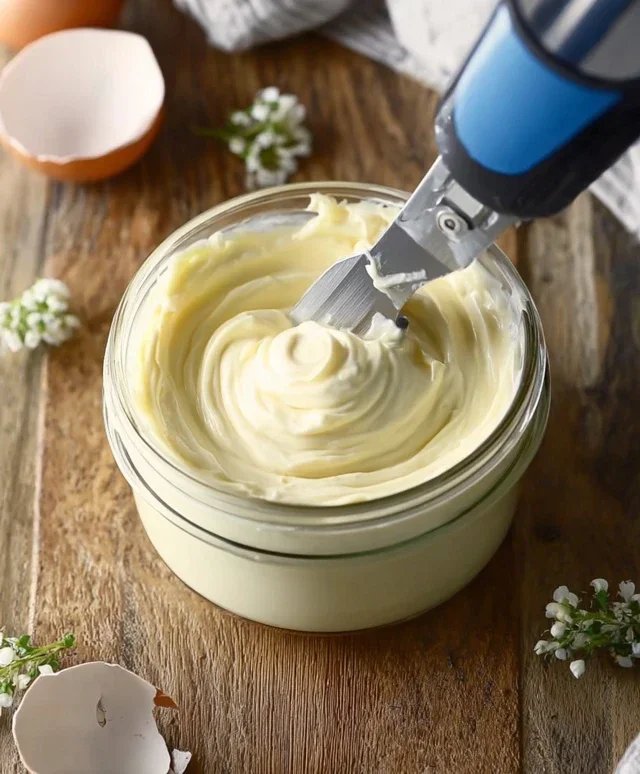
4. Reaching Peak Creaminess: Continue adding the oil in a slow, steady stream, whisking all the while, until all the oil is incorporated and the mayonnaise has reached your desired consistency. It should be thick, smooth, and spreadable. If you prefer an even thicker mayonnaise, you can add a tablespoon or two more of oil, drizzling it in very slowly as before, until you achieve the perfect texture. Remember, the amount of oil needed can vary slightly depending on the size of your egg and humidity. It’s better to err on the side of caution and add oil gradually.
5. Taste and Adjust: Once all the oil is incorporated and your mayonnaise is beautifully thick, give it a taste. This is your opportunity to personalize it! Do you want it tangier? Add another squeeze of lemon juice. More salt? Go for it. A pinch more pepper? Absolutely. Whisk in any adjustments until it’s perfect for your palate. If, by some chance, your mayonnaise has broken (it looks greasy and separated), don’t despair! You can often rescue it. In a clean bowl, add another egg yolk and whisk it. Then, very slowly, start whisking your broken mayonnaise into the new egg yolk, as if you were starting the emulsification process all over again, drop by drop.
Storage and Enjoyment
Your homemade mayonnaise is best stored in an airtight container in the refrigerator. It will typically keep for about a week. Use it on your favorite sandwiches, mix it into a potato salad or coleslaw, or use it as a base for a delicious aioli or remoulade. The fresh, bright flavor is incomparable, and the feeling of accomplishment is just as satisfying. Enjoy your homemade masterpiece!
Conclusion:
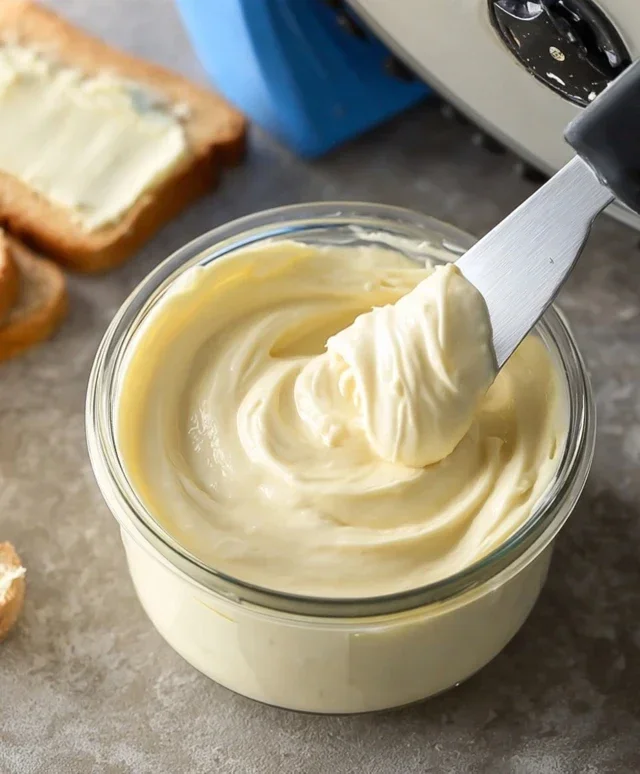
As you can see, making your own mayonnaise from scratch is not only surprisingly simple but also incredibly rewarding. Forget those tubs of store-bought stuff; this homemade version offers a superior texture and a fresh, bright flavor that will elevate all your favorite dishes. The process itself is quite satisfying, turning a few basic ingredients into something truly special. Once you’ve mastered this basic recipe, you’ll find yourself reaching for it again and again.
This versatile condiment is perfect for sandwiches, wraps, potato salads, and as a dip for fries or vegetables. Don’t be afraid to get creative! You can easily infuse your mayo with herbs like chives or dill, add a kick of sriracha or chipotle, or even whisk in some garlic for a quick aioli. I truly encourage you to give making mayo from scratch a try. You’ll be amazed at the difference it makes, and it’s much easier than you might think!
FAQs
Why is my homemade mayo so thin?
A common reason for thin mayonnaise is adding the oil too quickly. It’s crucial to add the oil very slowly, literally drop by drop at first, while continuously whisking or blending. Once the emulsion starts to form, you can gradually increase the stream of oil, but still in a thin, steady stream. If it breaks, you can often fix it by starting with a fresh egg yolk in a clean bowl and slowly whisking in the broken mixture.
Can I use a different type of oil?
Absolutely! While a neutral oil like canola, grapeseed, or a light olive oil is often recommended for its mild flavor, you can experiment. Using a stronger-flavored oil like extra virgin extract olive oil will impart a more pronounced olive taste. Some people also like to blend oils, such as half canola and half avocado oil, to achieve a balanced flavor profile. Just ensure the oil is fresh and has not gone rancid.
How long does homemade mayonnaise last?
Because it contains raw egg, homemade mayonnaise has a shorter shelf life than its commercially produced counterpart. Stored in an airtight container in the refrigerator, it’s generally best consumed within 3-5 days. Always err on the side of caution and check for any off smells or textures before using.
Making Mayo From Scratch Is Easy And Totally Worth It
Learn how to make fresh, creamy mayonnaise from scratch. It’s a simple process that results in a superior condiment.
Ingredients
-
1 large egg yolk
-
1 teaspoon Dijon mustard
-
1 tablespoon lemon juice
-
1/2 cup vegetable oil
-
1/4 teaspoon salt
-
1/8 teaspoon black pepper
Instructions
-
Step 1
In a medium bowl, whisk together the egg yolk, Dijon mustard, and lemon juice until well combined. -
Step 2
Slowly drizzle in the vegetable oil, whisking continuously. Start with a very thin stream, then gradually increase to a steady pour as the mixture begins to emulsify and thicken. -
Step 3
Continue whisking until all the oil is incorporated and the mayonnaise is thick and creamy. -
Step 4
Stir in the salt and black pepper to taste. -
Step 5
Transfer the mayonnaise to an airtight container and refrigerate. It will thicken further as it chills.
Important Information
Nutrition Facts (Per Serving)
It is important to consider this information as approximate and not to use it as definitive health advice.
Allergy Information
Please check ingredients for potential allergens and consult a health professional if in doubt.