
Easy Miso Soup Recipe- Quick Authentic Flavor
Miso soup recipe, oh how I adore you! There’s something incredibly comforting and soul-warming about a steaming bowl of this classic Japanese broth. It’s the gentle hum of umami, the subtle salinity, and the delightful textural contrast that makes it an instant favorite for so many of us. For me, a simple miso soup recipe is more than just an appetizer; it’s a ritual, a moment of quiet reflection before diving into a delicious meal. What truly sets this dish apart is its beautiful simplicity and its incredible versatility. The foundation of dashi and miso paste creates a depth of flavor that is both complex and incredibly satisfying, while the additions of tofu, seaweed, and scallions elevate it to a nourishing and complete experience. Whether you’re seeking a quick and healthy lunch or a comforting start to a special dinner, mastering a basic miso soup recipe is an absolute must in any home kitchen.
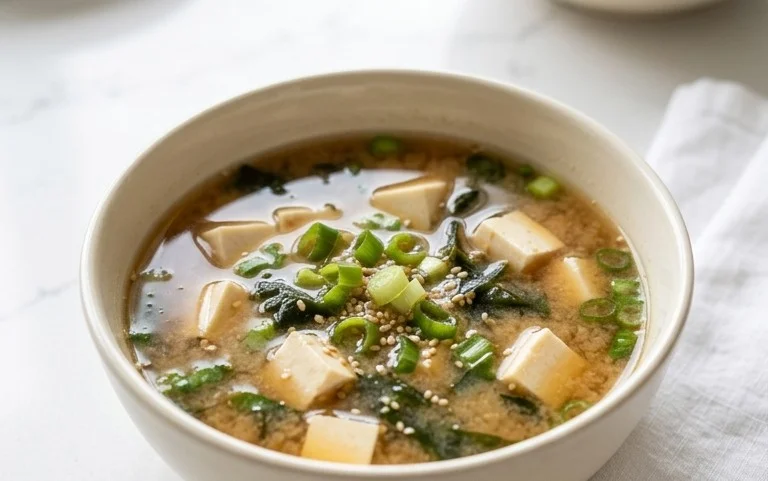
Miso Soup Recipe
There’s something incredibly comforting and soul-warming about a steaming bowl of miso soup. It’s a cornerstone of Japanese cuisine, a dish that’s both simple to make and incredibly satisfying. Whether you’re enjoying it as a light appetizer, a side dish with your sushi, or even as a light meal on its own, this recipe will guide you through creating a delicious and authentic miso soup right in your own kitchen. We’ll be using classic ingredients to bring out the rich, umami flavors that make miso soup so beloved. Forget those instant packets; this homemade version is leagues beyond, and surprisingly easy. Let’s dive in!
Ingredients:
Cooking Instructions:
Now, let’s get started on this delightful culinary journey. Making miso soup is a straightforward process, but paying attention to a few key details will elevate it from good to truly exceptional.
Preparing the Dashi
The foundation of any good miso soup is the dashi. Dashi is a Japanese broth that provides a subtle, yet crucial, umami base. While you can find instant dashi powder, I highly recommend using liquid dashi for a cleaner, more nuanced flavor. If you’re feeling ambitious, you can even make your own dashi from scratch using kombu (kelp) and katsuobushi (bonito flakes), but for this recipe, we’ll assume you have good quality liquid dashi ready to go. Pour your 2½ cups of dashi into a medium-sized saucepan. We’re going to gently heat this over medium heat. It’s important not to bring the dashi to a rolling boil at this stage, as this can diminish its delicate flavor. Just a gentle simmer is all we’re aiming for.
Rehydrating the Seaweed
While the dashi is warming, let’s prepare our dried seaweed. Dried seaweed, often called wakame, is a fantastic addition to miso soup, providing a slightly chewy texture and a boost of minerals. Take your 1 heaping tablespoon of dried seaweed and place it in a small bowl. Add just enough warm water to cover the seaweed. You’ll notice it will quickly expand and rehydrate. Let it sit for about 5-10 minutes, or until it’s softened. Once it’s rehydrated, drain any excess water from the seaweed. You can give it a gentle squeeze to remove any lingering moisture. This step ensures the seaweed is tender and pleasant to eat in the finished soup.
Adding the Tofu and Seaweed
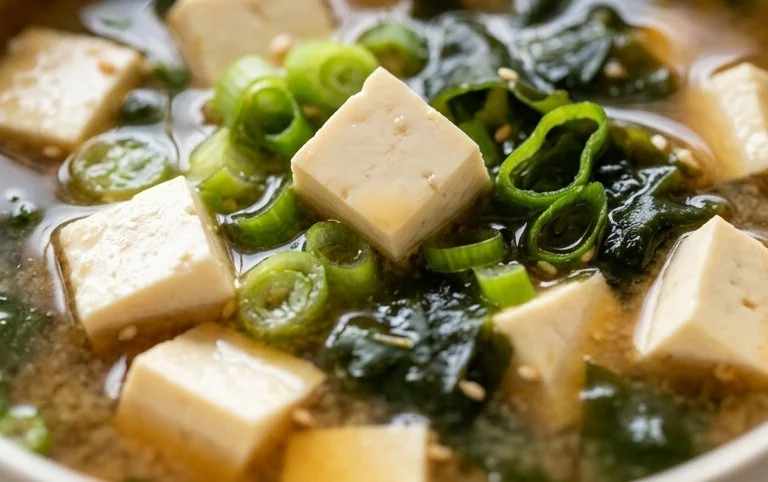
Once your dashi has reached a gentle simmer, it’s time to add the star ingredients. Carefully add the silken tofu, cut into small, bite-sized pieces, to the warming dashi. Silken tofu is ideal because it’s incredibly soft and delicate, absorbing the flavors of the broth beautifully without falling apart too easily. Be gentle when adding it to avoid breaking the pieces too much. Next, add the rehydrated and drained seaweed to the pot. Allow these ingredients to simmer gently in the dashi for about 2-3 minutes. This allows the tofu to warm through and the seaweed to meld with the broth.
Incorporating the Miso Paste
This is perhaps the most critical step in making miso soup. Miso paste is a fermented soybean paste that is the heart and soul of this dish. It comes in various types, such as white miso (shiro miso), red miso (aka miso), and awase miso (a blend). White miso is milder and slightly sweeter, while red miso is more robust and salty. For this recipe, 2-2½ tablespoons should be sufficient, but remember that this is to taste. You can always add more if you prefer a stronger flavor. The key here is to never boil miso paste. Boiling destroys its delicate flavor and beneficial enzymes. To incorporate it properly, take a ladleful of the warm dashi from the pot and place it into a small bowl or cup. Add your miso paste to this ladleful of dashi and whisk it thoroughly until it forms a smooth paste with no lumps. This process, called ‘tempering,’ ensures the miso dissolves evenly into the soup without clumping. Once you have a smooth miso mixture, gently stir it back into the saucepan with the dashi, tofu, and seaweed.
Finishing Touches and Serving
After you’ve stirred in the dissolved miso paste, gently heat the soup for another minute or two. Again, resist the urge to let it boil. You’ll see a light froth form on the surface, which is perfectly normal. This gentle heating allows the flavors to meld beautifully. Once the soup is heated through and the miso is fully incorporated, it’s ready to serve. Ladle the hot miso soup into individual bowls. Garnish each bowl with the chopped scallions. The fresh, crisp bite of the scallions provides a lovely contrast to the savory broth and soft ingredients. Serve immediately and enjoy the comforting embrace of your homemade miso soup! This recipe is wonderfully adaptable, so feel free to experiment with other additions like mushrooms, spinach, or even a sprinkle of shichimi togarashi (Japanese seven-spice blend) for a little heat.
Conclusion:
And there you have it! This Miso Soup Recipe is a delightful journey into the heart of Japanese comfort food. Its simplicity belies its incredible depth of flavor, making it a perfect starter for any meal or a light, nourishing lunch on its own. The umami-richness of the miso paste, combined with the subtle sweetness of the dashi, creates a truly satisfying experience that’s both warming and incredibly healthy. I truly encourage you to give this recipe a try; it’s so rewarding to create this delicious soup in your own kitchen.
For serving, this miso soup is absolutely divine alongside sushi, tempura, or grilled fish. It also makes a fantastic accompaniment to a more substantial ramen dish. Feel free to get creative with your additions! Tofu cubes, thinly sliced shiitake mushrooms, wilted spinach, or even a sprinkle of toasted sesame seeds can elevate your miso soup to new heights. Don’t be afraid to experiment with different types of miso paste – white miso offers a milder, sweeter profile, while red miso provides a bolder, more robust flavor. Enjoy the process and savor every spoonful!
Frequently Asked Questions about Miso Soup:
Q: Can I make miso soup ahead of time?
A: While you can prepare the dashi broth in advance, it’s best to add the miso paste just before serving. Miso paste can lose some of its beneficial properties and flavor when boiled for extended periods. So, it’s ideal to reheat the dashi and then whisk in the miso until dissolved.
Q: What is the best type of miso to use for this recipe?
A: This recipe is quite versatile! White miso (shiro miso) is a fantastic starting point for its mild, slightly sweet flavor, perfect for begin extractners. If you prefer a more robust, savory taste, consider using a blend of white and red miso (aka miso), or even just red miso for a deeper umami punch. Experiment to find your favorite!
Q: Are there any vegetarian or vegan alternatives to dashi?
A: Absolutely! For a delicious vegetarian or vegan dashi, you can simmer dried shiitake mushrooms and kombu (dried kelp) in water. This creates a fantastic savory base without any animal products, making this miso soup recipe entirely plant-based.
Miso Soup
A simple and classic Japanese miso soup, a comforting and flavorful broth.
Ingredients
-
2½ cups Dashi
-
1 heaping tablespoon dried seaweed
-
4 oz silken tofu, cut into small pieces
-
2-2½ tablespoons white miso paste, or to taste
-
1 tablespoon scallion, chopped
Instructions
-
Step 1
Rehydrate the dried seaweed in a small bowl of water for about 5 minutes. Drain any excess water. -
Step 2
In a medium saucepan, bring the Dashi to a gentle simmer over medium heat. Do not boil. -
Step 3
Add the rehydrated seaweed and the silken tofu pieces to the simmering Dashi. -
Step 4
In a small bowl, whisk the miso paste with a ladleful of the hot Dashi until smooth. This prevents lumps. -
Step 5
Gently stir the dissolved miso mixture into the saucepan. Heat through for 1-2 minutes, but do not let the soup boil after adding the miso, as this can alter its flavor and aroma. -
Step 6
Ladle the miso soup into bowls and garnish with chopped scallions.
Important Information
Nutrition Facts (Per Serving)
It is important to consider this information as approximate and not to use it as definitive health advice.
Allergy Information
Please check ingredients for potential allergens and consult a health professional if in doubt.